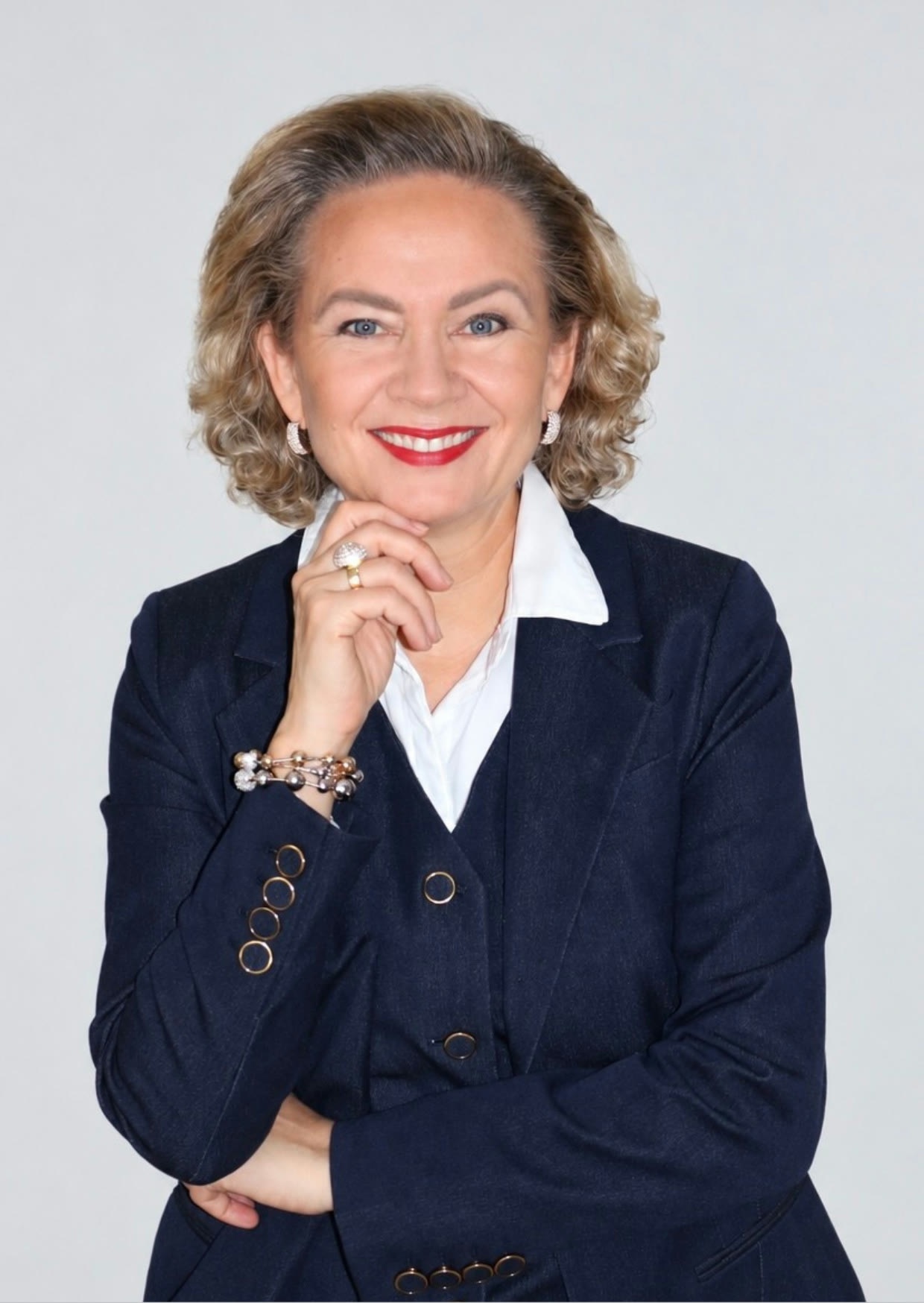
I grew up in Finland and have lived in the United States for more than two decades. My career has taken me from global executive leadership into the management questions that come with AI changing how work gets done.
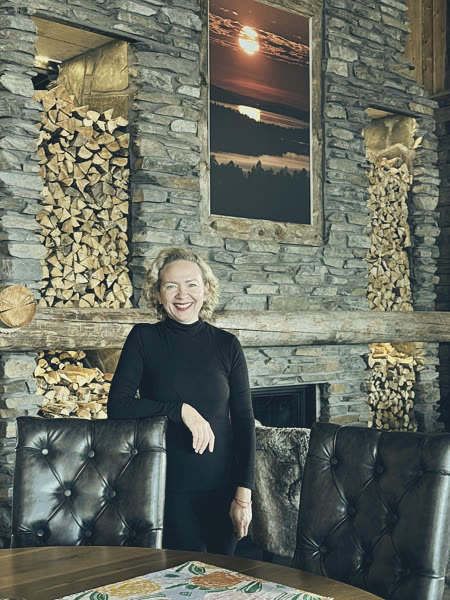
Today I am based in Miami and work regularly in Finland, advising leadership teams across Europe and the United States.
I didn't start my career in AI
I have spent more than 25 years in global leadership roles, including senior executive positions in the marine industry.
I became a Lean Six Sigma Black Belt and led ISO 9001 quality management. I was also among the leaders helping introduce Lean management practices into the marine industry and built project management offices for complex portfolios.
A large part of that work was about people. I developed talent and helped leaders work through significant change.
That experience still shapes how I work with leaders today.
From the project management office to HAIMO
The purpose of a management office has always been to help people do their work better.
I saw this firsthand in the project management offices I built. When everyone works from the same management system, decisions become clearer and people spend less time navigating organizational complexity.
That experience became the foundation for a new question. What happens when the workforce is no longer made up of humans alone?
Continue learning
To learn more, visit HAIMO, the Human-AI Management Office.
My work today has two clear areas of focus, and both start with people.
Organizational transformation
I support leaders as they build the management practices needed for AI to become part of everyday work. That work includes executive advisory and leadership programs. It also draws on The Human-Agent Orchestrator and HAIMO, the Human-AI Management Office.
Through Career Ventures and initiatives such as Career Twin, I am building ways for people to create personal AI that supports their work. The goal is to give professionals greater agency over their careers and more ownership of the knowledge they have built over time.
I have built much of my career between Finland and the United States
I have lived in the United States for more than two decades while remaining closely connected to Finland through my work.
Over time, that has given me a perspective across two very different business environments. I often find myself connecting leaders and ideas across the Atlantic, especially as AI changes how organizations think about management and workforce transformation.
That bridge has become an important part of my work. I write and speak about what Finland and the United States can learn from one another, while bringing those perspectives into executive conversations in both markets.
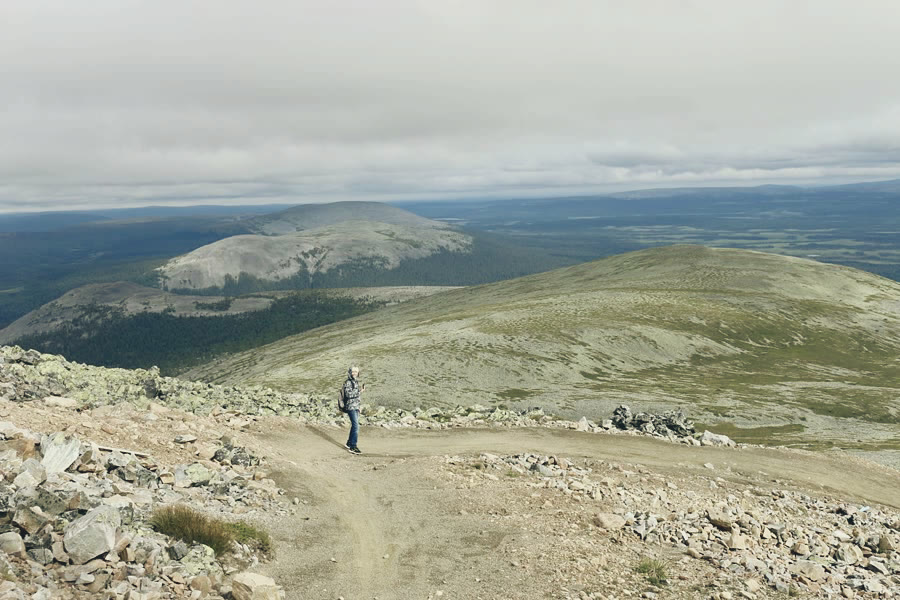
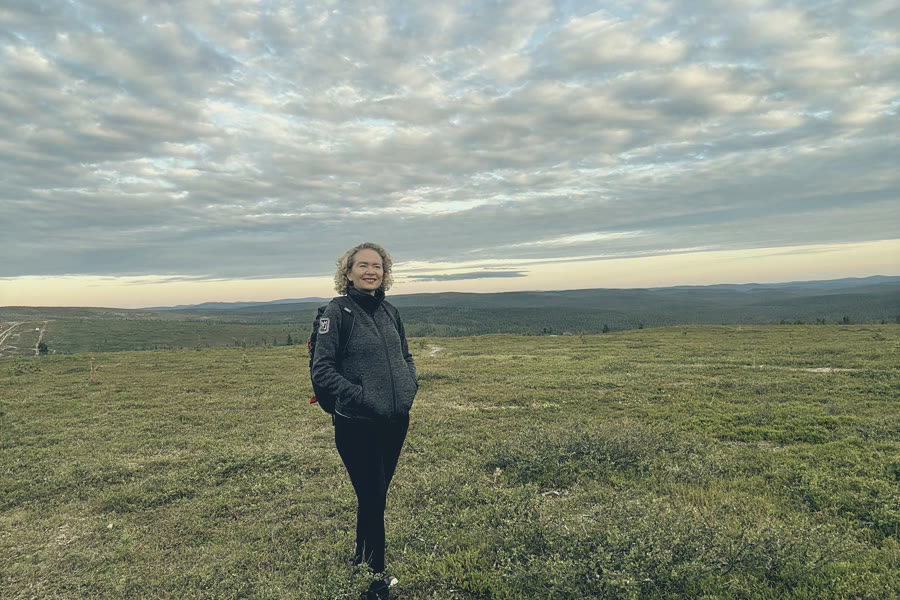
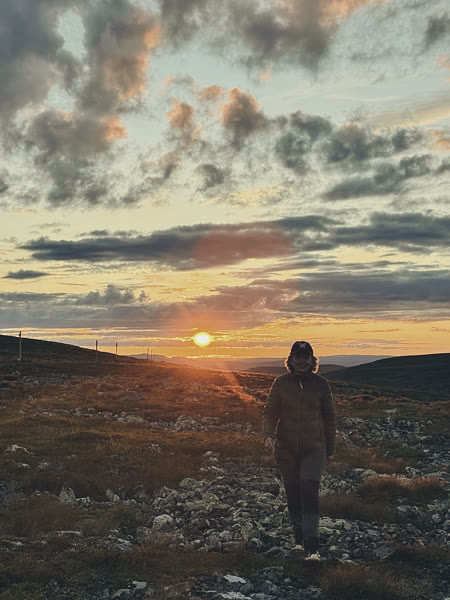
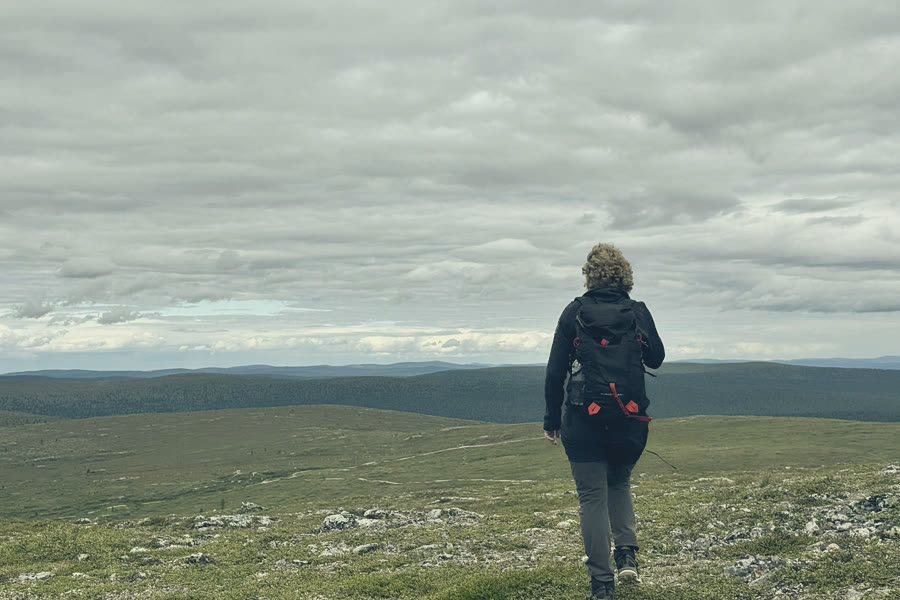
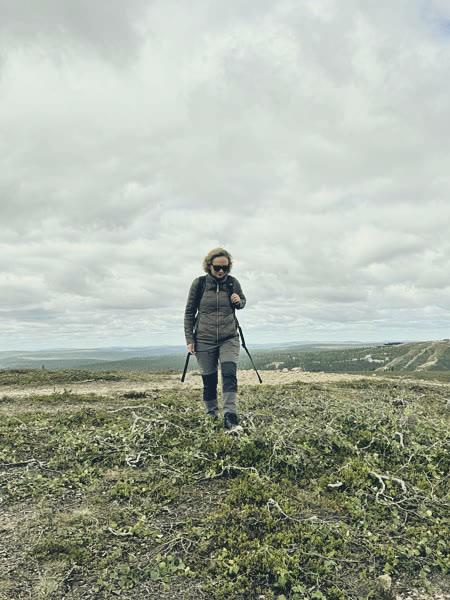
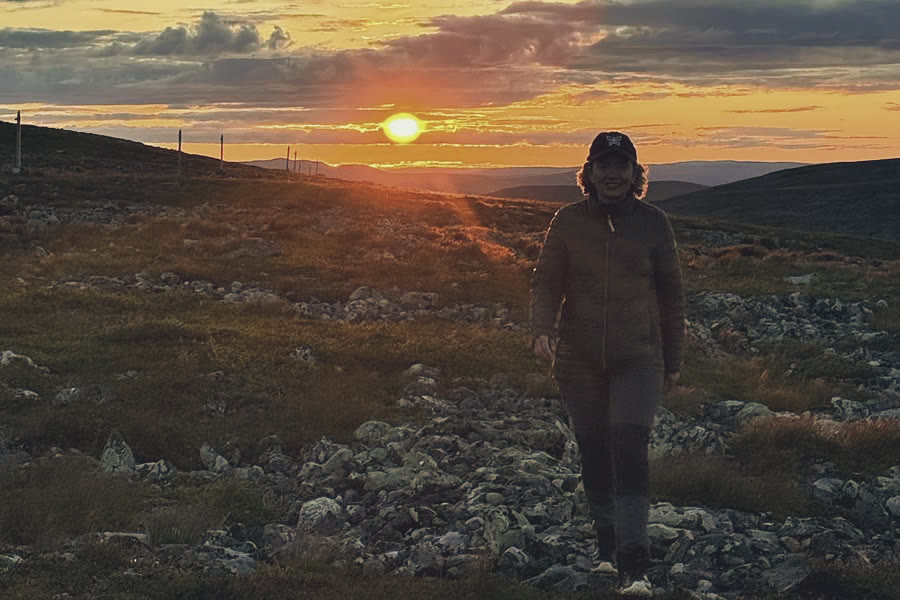
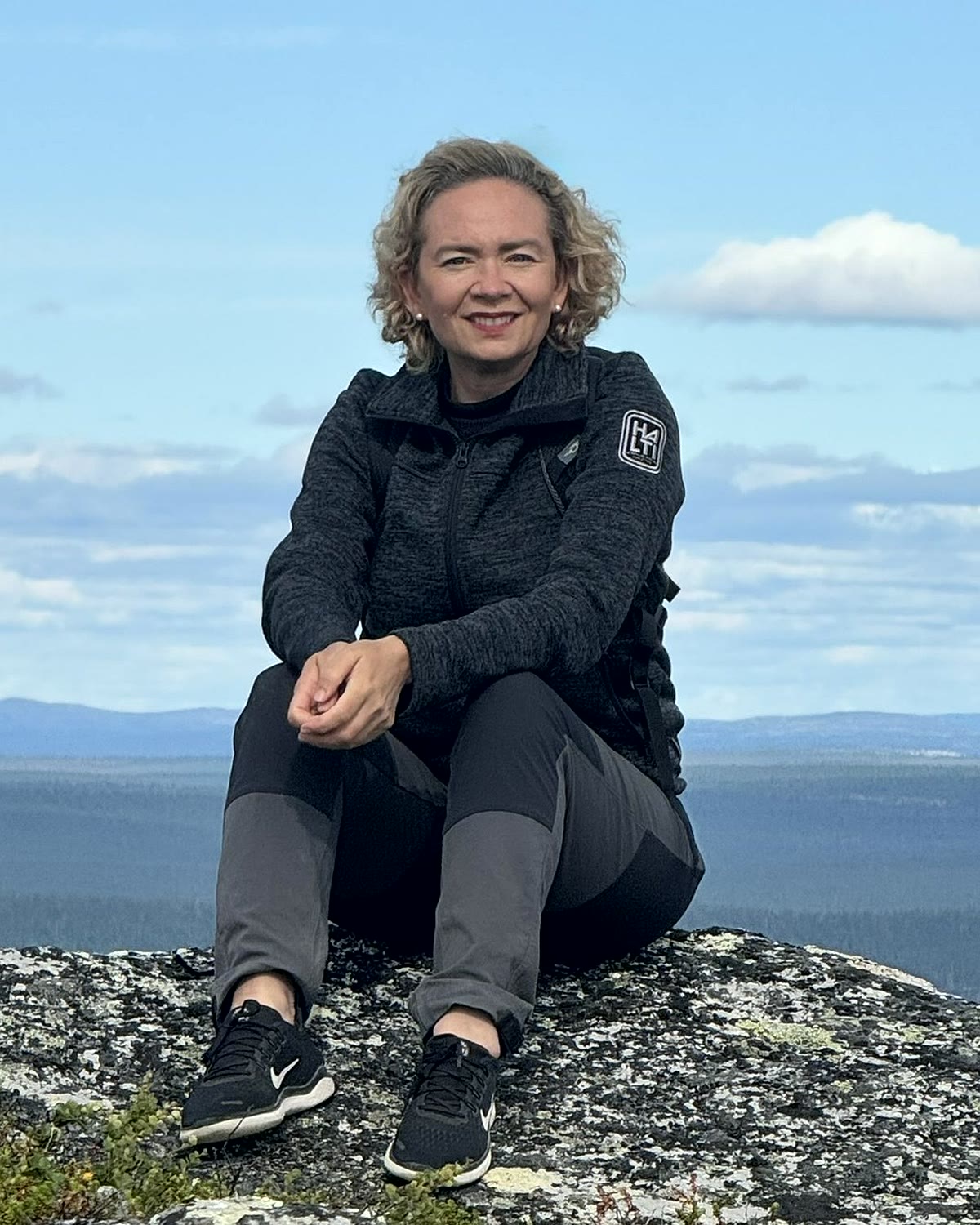
I spend part of my time above the Arctic Circle in Finnish Lapland, often working remotely and walking for hours between calls.
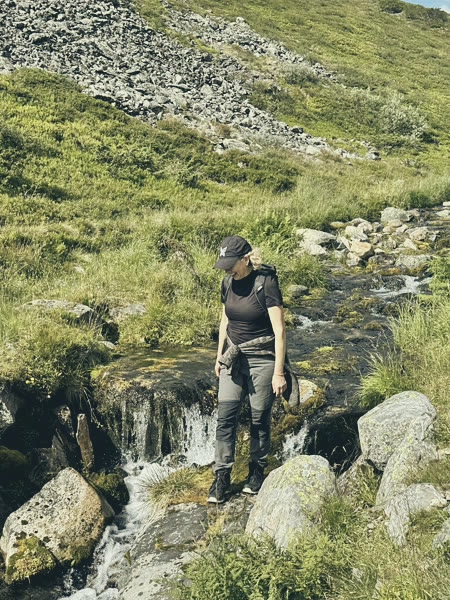
Much of my leadership philosophy has been shaped by what nature has taught me over time. It is a constant reminder that change is part of every living system, and that good leadership begins with deep values and respect for others.
Lapland gives me the space to reflect. Many ideas that later become part of my writing and client work begin there.
Values-driven leadership
Nordic leadership
My Finnish perspective has followed me into leadership conversations around the world. These ideas have become part of how I talk about Nordic leadership.
Sauna
Finding your place to slow down, and time for mindfulness and grounding.
Sisu
The extreme persistence for making things happen.
Spark
Inspiration and ideas come when we connect with nature.
Leading the conversation on leadership and how we support workforce transitions into the AI economy
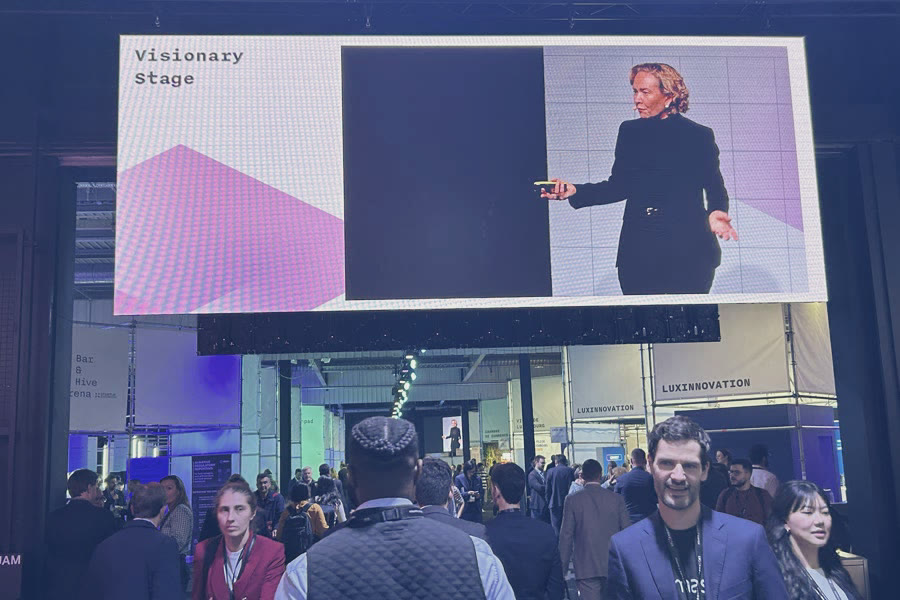
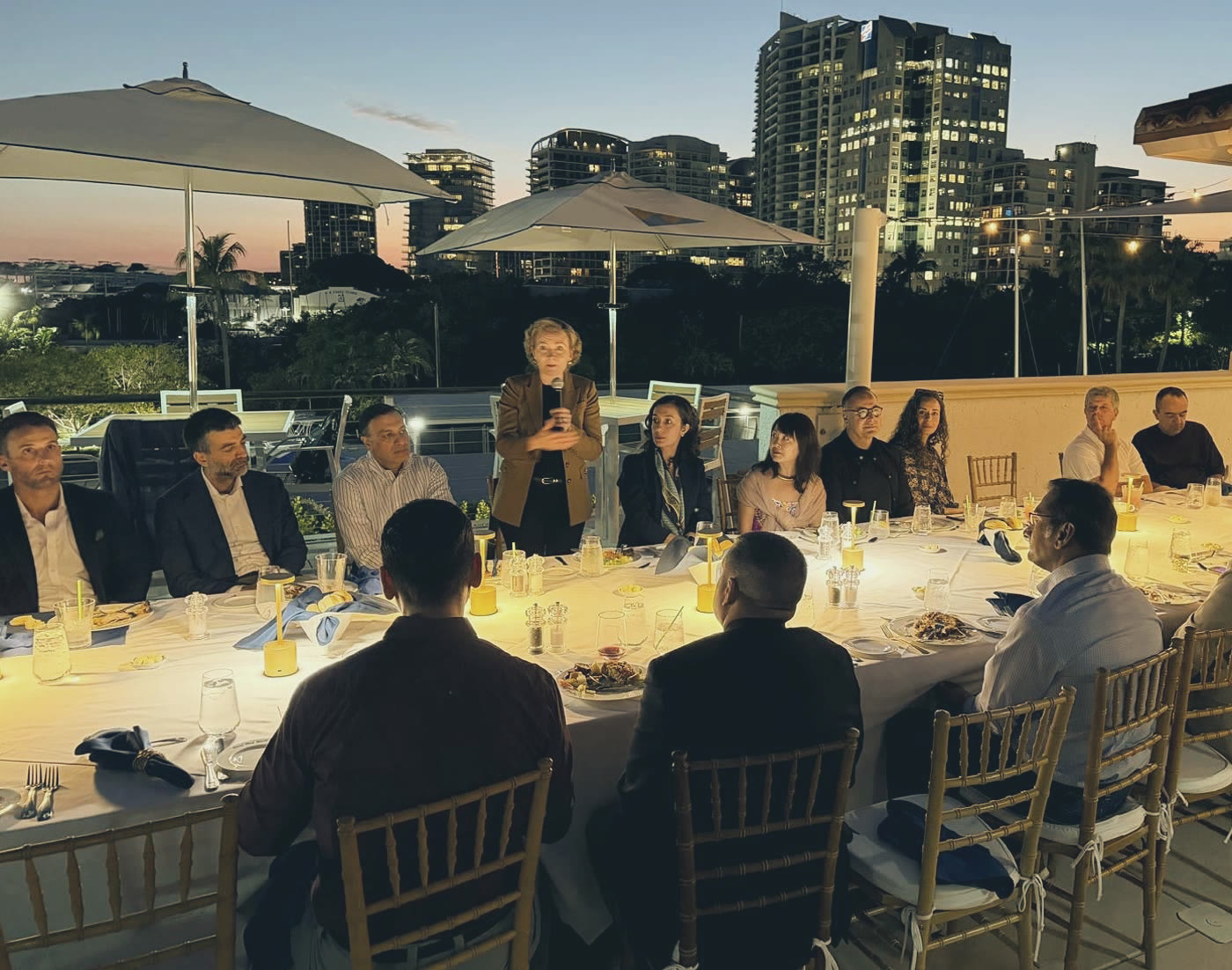
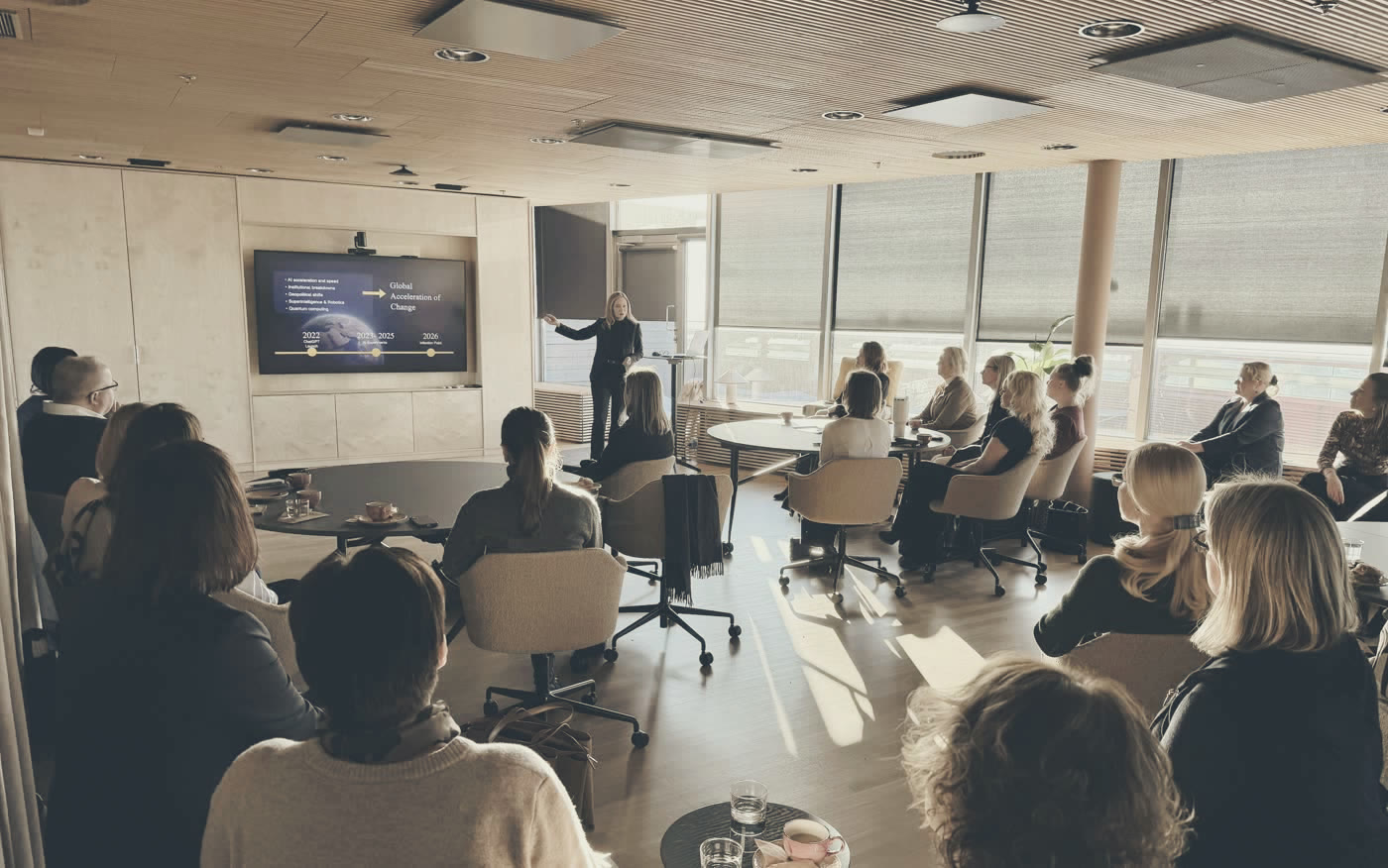
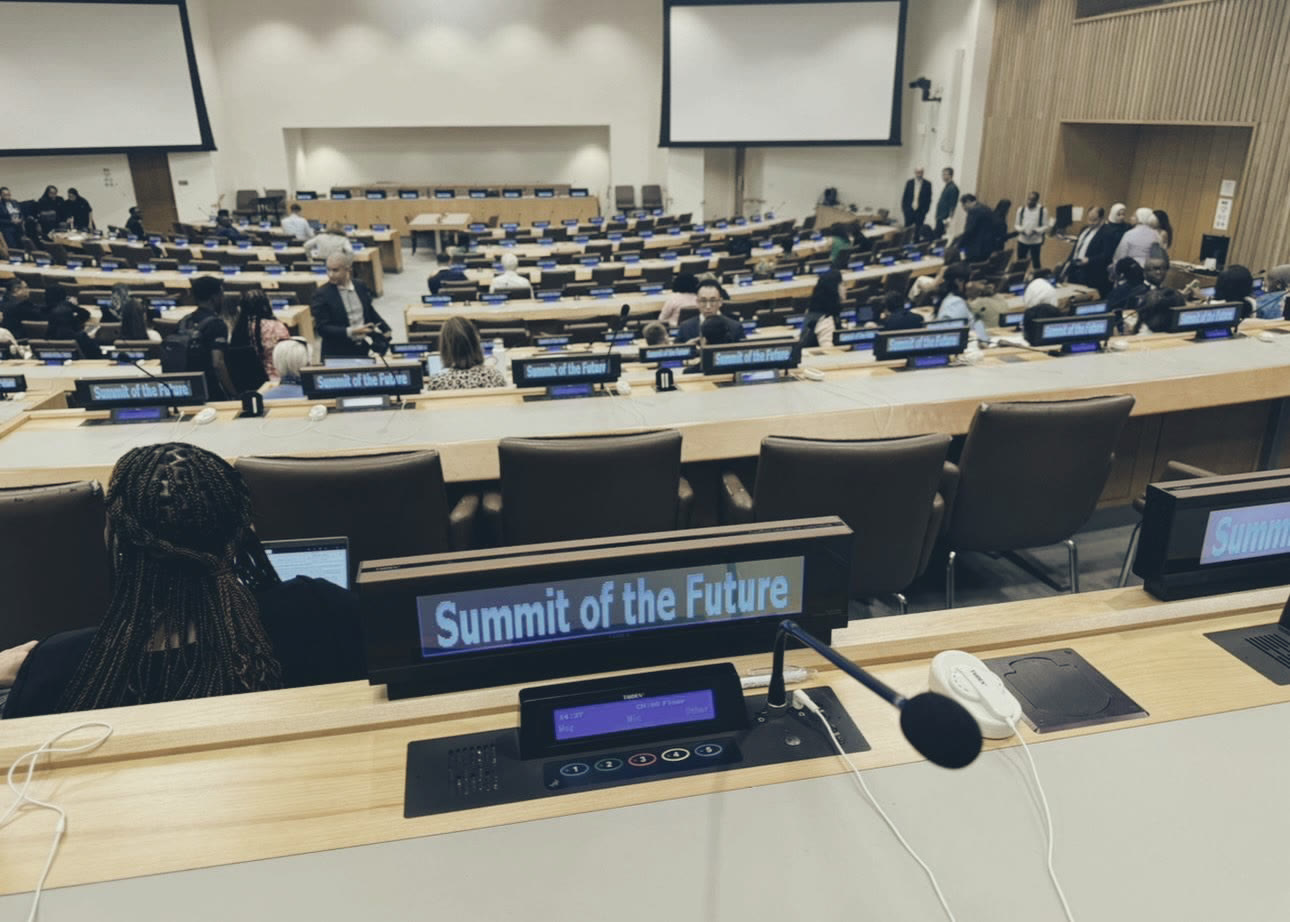
Today I travel internationally to give keynotes, advise senior leaders, and contribute to conversations about how we support people through the transition into the AI economy.
I have taken part in more than 100 engagements across Europe and the United States, including executive sessions and international roundtables.
These conversations keep me close to the questions leaders are facing and reinforce something I believe strongly: this transition is bigger than any one organization. Business, government, and communities all have a role to play.
Davos
Paris
Luxembourg
Cannes
Miami
Helsinki
New York, UNGA week
We are living through one of the biggest workforce disruptions in modern history
I often share the 3Cs as a simple way to think about our own role in this transition.
Commit.
Learn about AI and have a voice in shaping the future.
Connect.
Connect with others and with your inner wisdom.
Create.
Take an active role in building the future you want to see.
No single leader or organization has all the answers. Our collective learning matters, and so do the networks and communities where people can share what they are learning. Some of the most valuable lessons in my work continue to come from the people I meet and the organizations I work with.
The value of these offices was never simply about reporting or procedures. It was about giving people a shared understanding of the work.
When everyone works from the same management system, decisions become clearer. Problems can be addressed before they affect the entire operation. Leaders gain the visibility to support their teams, while people spend less time navigating organizational complexity.
That experience became the foundation for a new question.
What happens when the workforce is no longer made up of humans alone?
AI agents are entering business operations, taking on responsibilities that previously belonged to employees. Yet the management structures overseeing that work were designed for human teams.
Companies may know which AI systems they have purchased, but do they know how those systems are managed as part of everyday work? Who has the authority to intervene when an agent makes a mistake? These are management questions, not simply technology questions.
HAIMO, the Human-AI Management Office, brings established management discipline into this new environment. Building on the principles of operational excellence, it gives leadership a clearer view of AI-enabled operations, establishes how responsibility is assigned and how agent activity is supervised, and helps the people accountable for the work retain the authority to manage it. The intention is not another layer of bureaucracy, but more effective management as the nature of work changes.
Today, Tarja brings this perspective to her executive advisory work and to her research as co-author of The Human-Agent Orchestrator. The principle remains the one she built her first management offices on: the system exists to serve the people doing the work. HAIMO extends it to a workforce where humans and intelligent agents work together.